
On November 7, 2022, the south arm of the Great Salt Lake fell to 4,188.5 feet. That was the lowest level ever recorded.
Both the U.S. Geological Survey and the state water office report it. Since then, water has been a big topic in Utah every spring.
A yard can't refill a lake. But it is one of the few parts of the water picture a homeowner controls. That makes it worth a closer look.
How much of Utah's water goes on yards
A 2025 fact sheet from Utah State puts real numbers on it.
About 60% of the water Utah homes use goes outside, onto yards.
Outdoor home use is about 11% of all the water Utah draws each year. That number keeps it in proportion.
Yards are not the biggest water user in the state. They are a real share, and they are the one share you can change this weekend.
The same fact sheet points to two habits that waste a lot of it. Automatic timers tend to overwater, because they're set for the hottest weeks of summer and left there.
And it cites an EPA estimate that up to half of yard watering is lost to evaporation and runoff.
Our post on how much water a Utah lawn uses turns those numbers into gallons for a real yard.
What secondary water is, and why meters matter
Many Wasatch Front homes water the yard with secondary water. That is untreated water in its own pipes, used outside.
It is separate from the treated water that comes out of your kitchen tap. In a lot of cities it is shut off in winter and turned back on in spring.
Without a meter, a home on secondary water has no way to see how much the yard uses. Nobody sees the number, so nobody can act on it.
In 2022, Utah passed H.B. 242, a bill on secondary water meters. It requires the companies that supply secondary water to meter each home by January 1, 2030.
A meter changes the conversation. Once your yard's water is measured, you can see what the lawn uses, week by week.
How your city bills for it is up to your supplier. Ask them once your meter is in.
Questions to ask your water supplier
- Does my yard run on secondary water or on the same water as my tap?
- When does secondary water turn on in spring, and when does it shut off?
- Has my meter been put in yet? If not, when is it planned?
- Once it is in, how will my yard water be billed?
Your city or water company can answer all four. The answers tell you what a summer of lawn really costs you, now and after 2030.
Why the fall shut-off matters for planning
The fall shut-off shapes yard projects too.
Central Utah's rebate program says its final checks usually stop from October 15 to April 15 in towns on secondary water.
So if you plant part of the yard for a rebate, aim to finish while the water is on.
Our apply before you dig post covers the rest of the timing.
What Utah yards have already done
Homeowners are already moving.
The state water office reported in April 2025 that three million square feet of lawn was replaced with waterwise landscaping in 2024.
It said those swaps will save over 100 million gallons of water each year.
The rebate money paid for the planted part of those yards, because that is what the program pays for. Turf saves water too. It just does it without a check.
What a yard can actually do
There is no single right answer. Here are the options, from free to a full project.
- Water to need, not to the calendar. Weber Basin's watering guide says most lawns need about 1.5 inches a week in mid-summer.
- That is about three days a week at peak, and less in spring and fall.
- Find the leaks. Weber Basin warns a hidden sprinkler leak can lose 10 to 20 gallons an hour or more.
- Swap lawn you don't use for beds. Utah's rebate programs pay for that. Our rebate guide explains how.
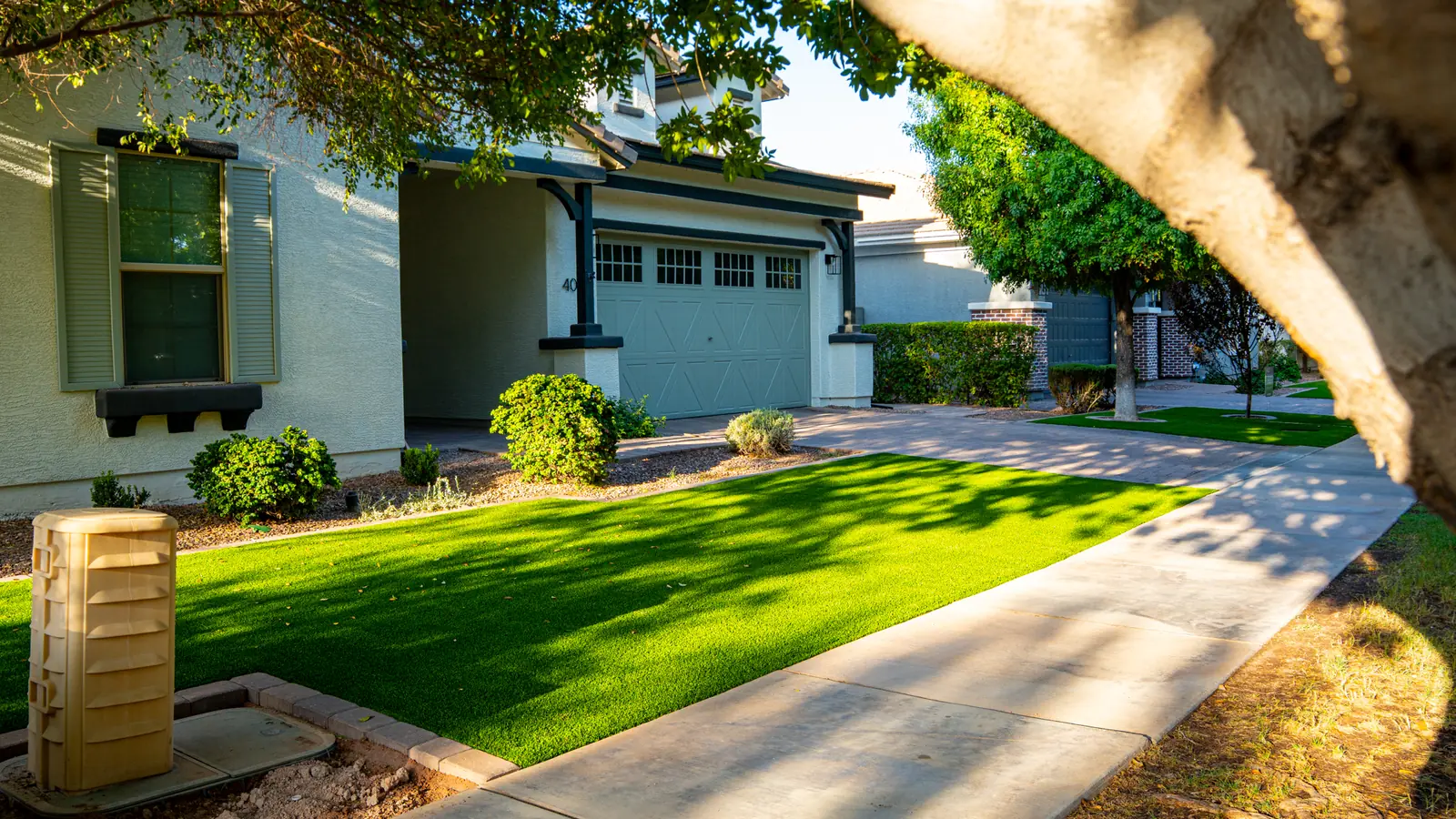
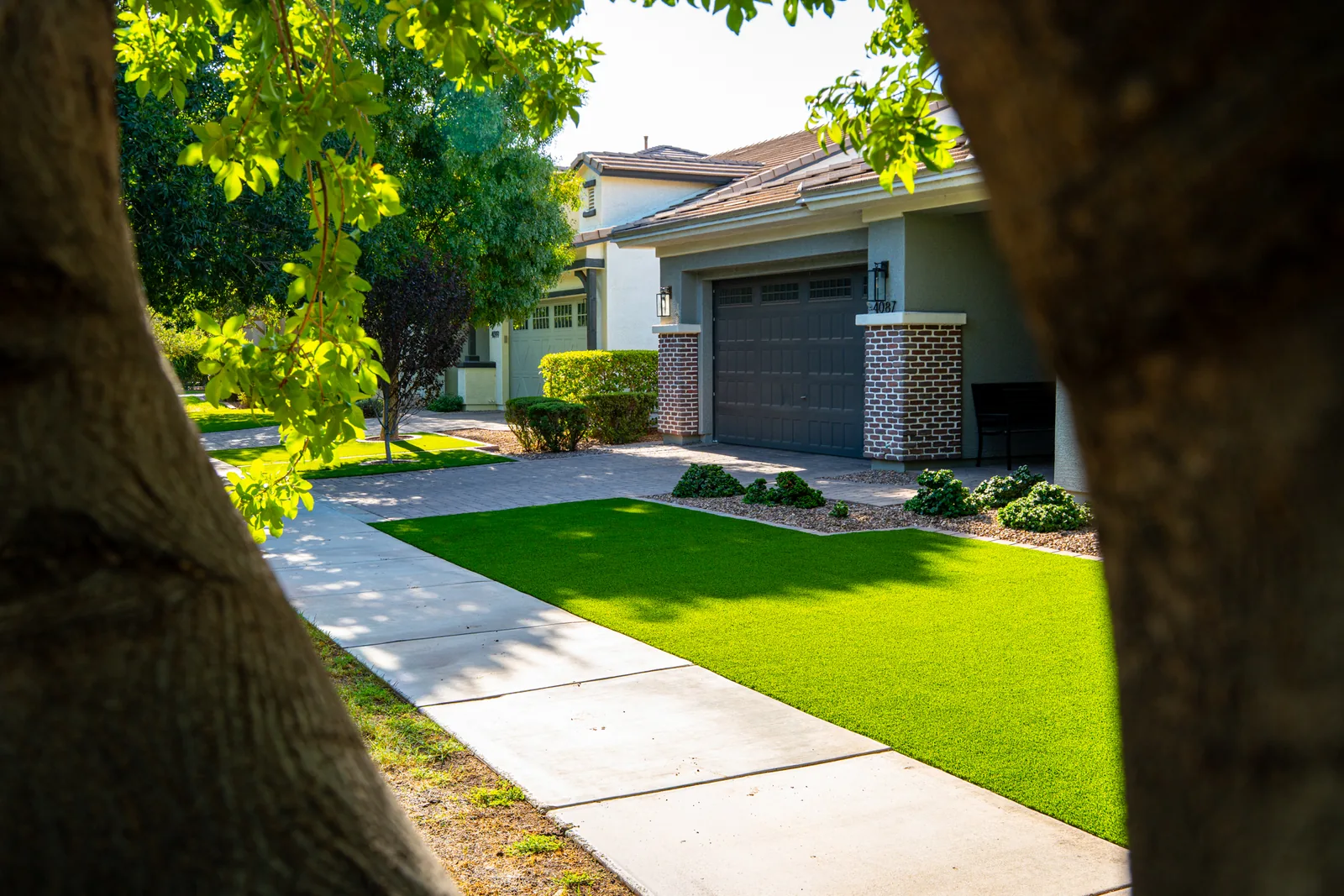
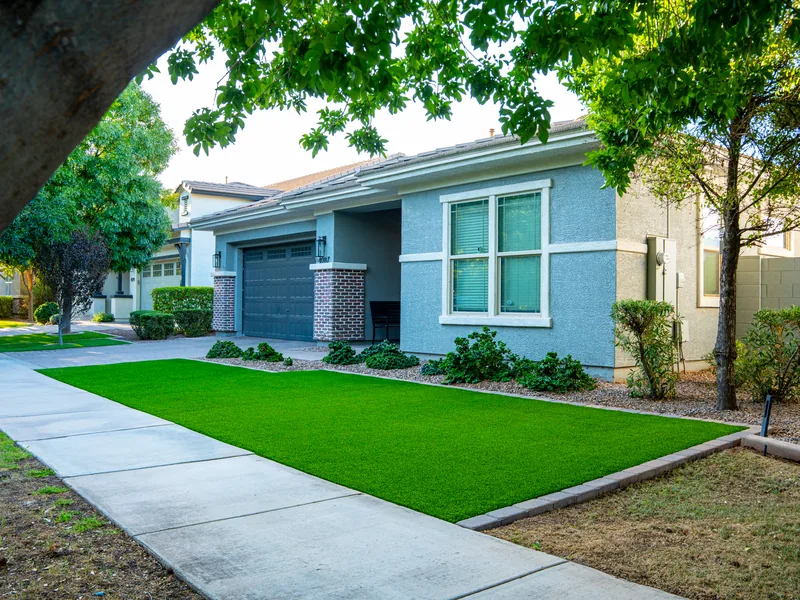
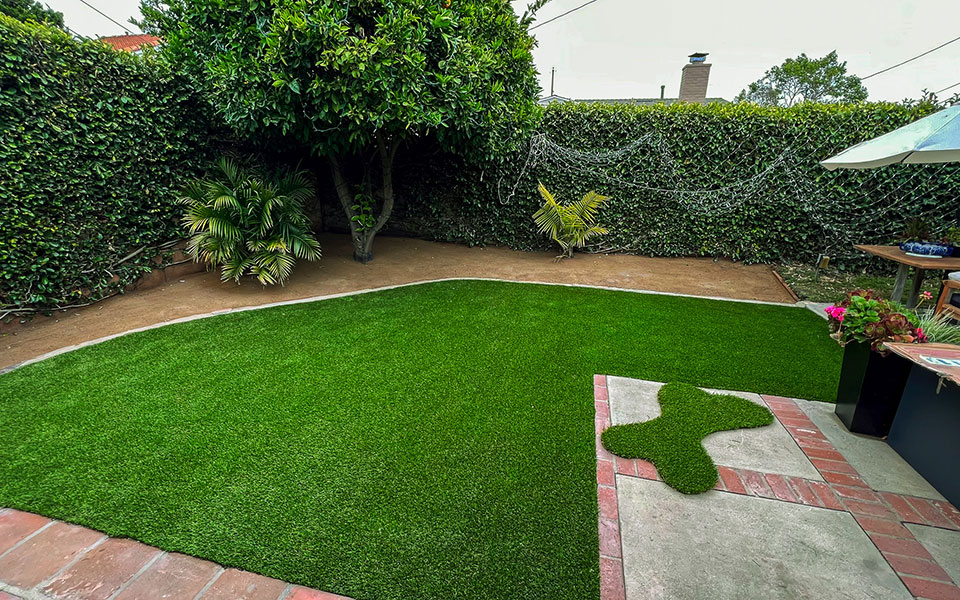
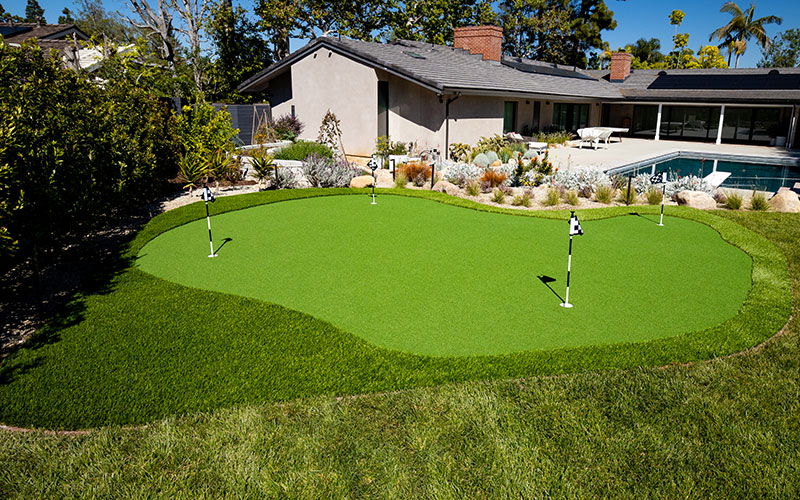
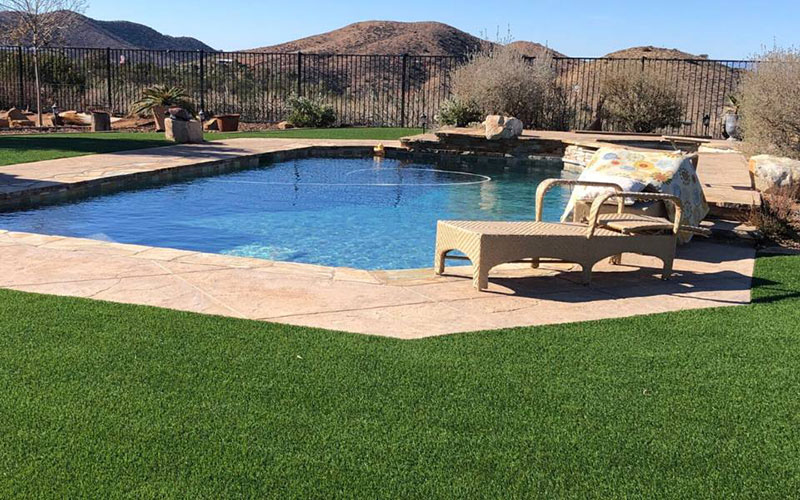
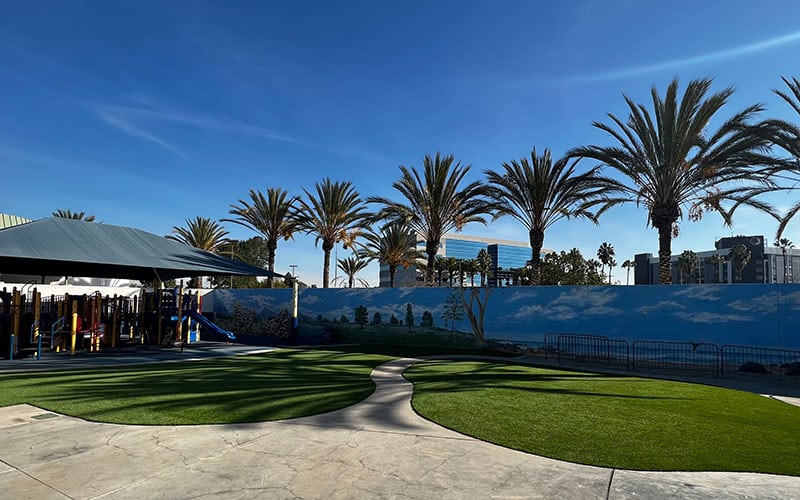
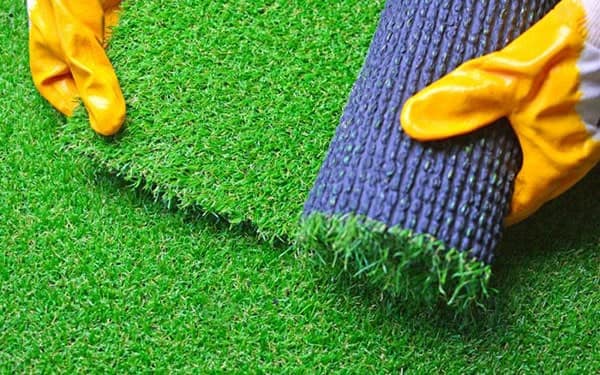
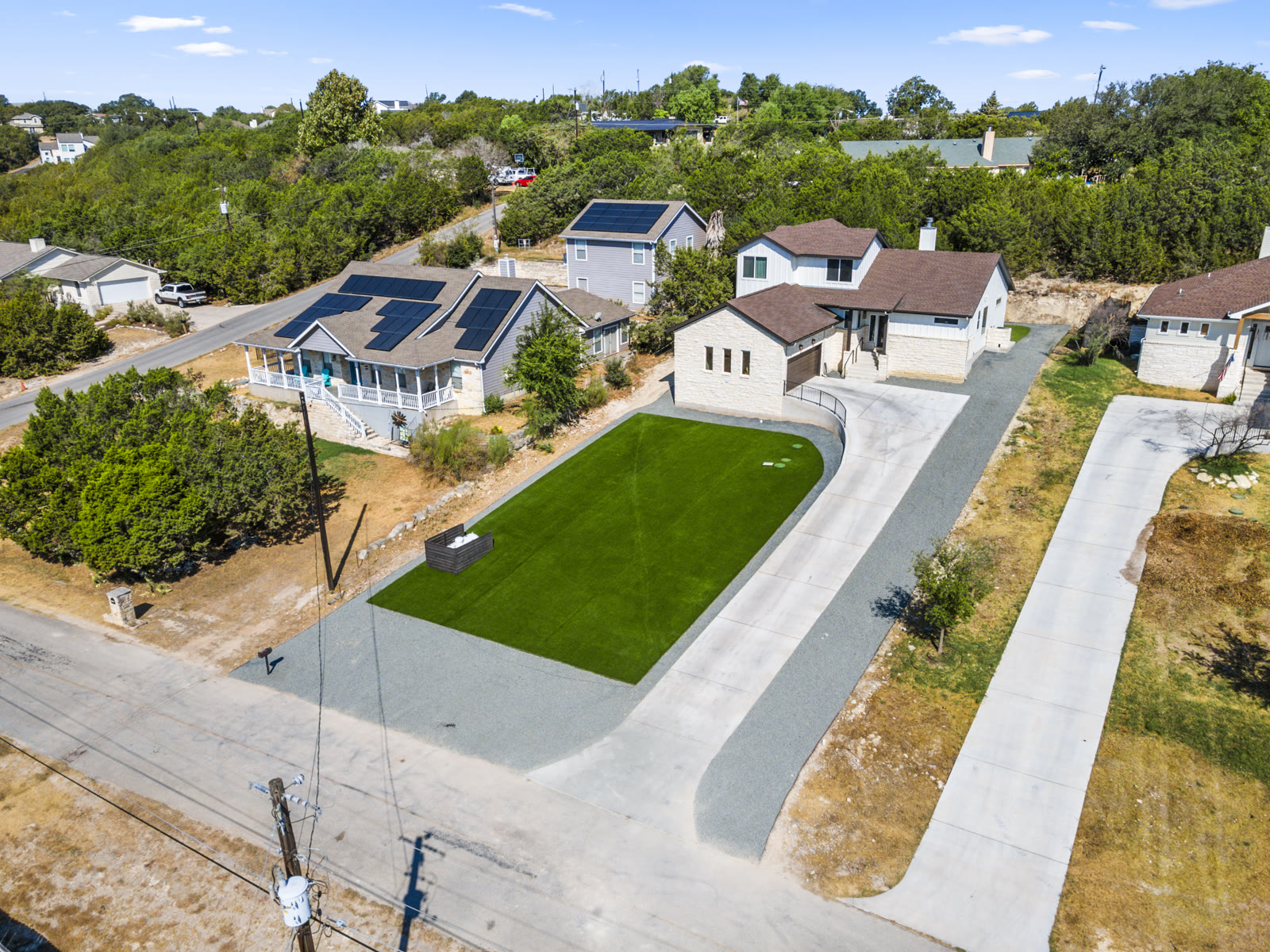
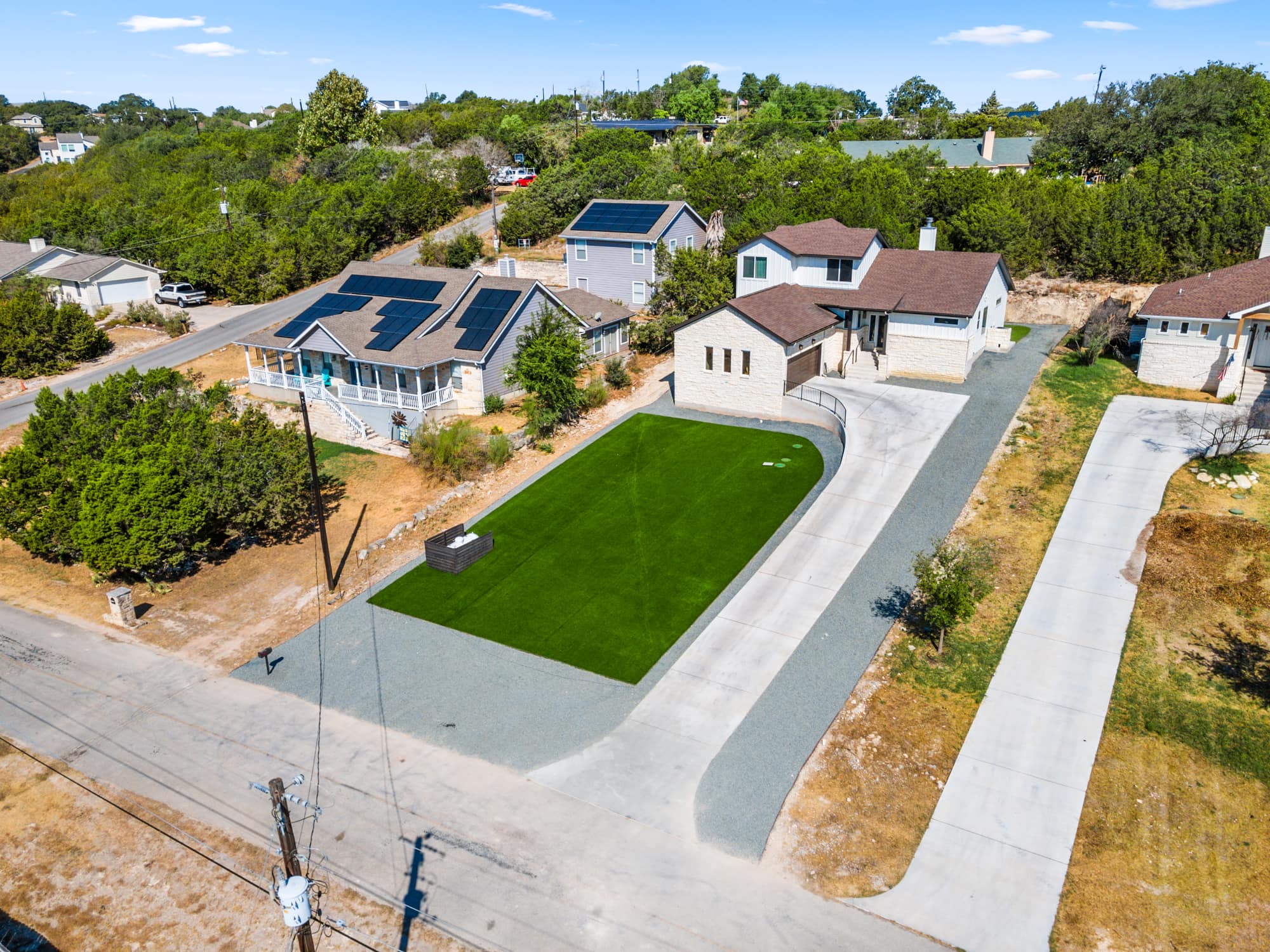
- Put turf where you do use the grass. A turf area needs no sprinklers. It earns no rebate, but it stops the watering on that part of the yard for good.
Winter is the quiet test. A lawn goes dormant and brown for months. A turf area looks the same in January as it did in June, with no water at all.
Most yards end up with some mix. Beds where the lawn was only ever looked at. Turf where the kids and the dog actually play.
If turf is part of yours, see our Utah page and turf for your lawn.
We'll measure the area and give you a written quote. If part of the yard would do better as beds, we'll say so.