


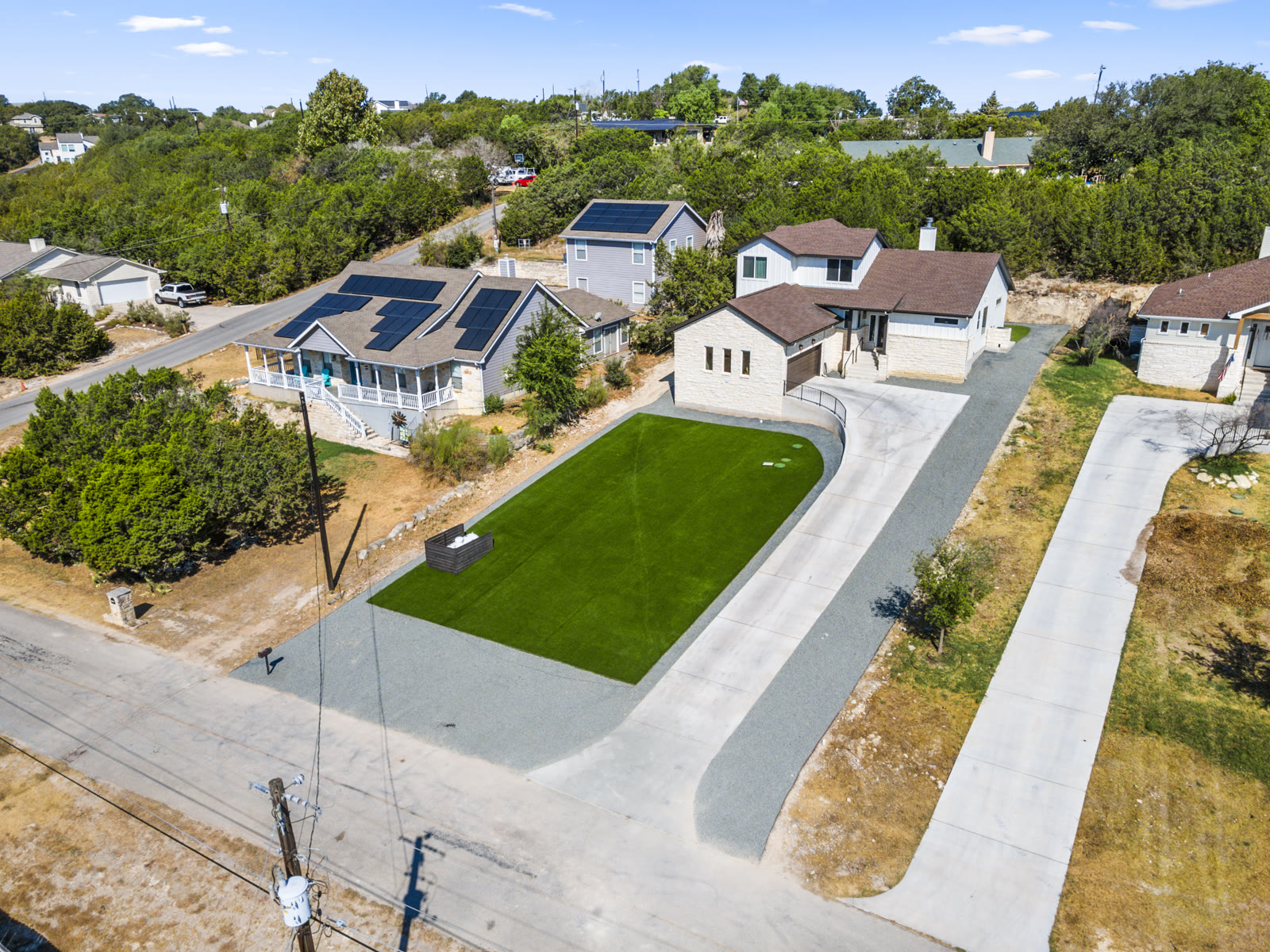
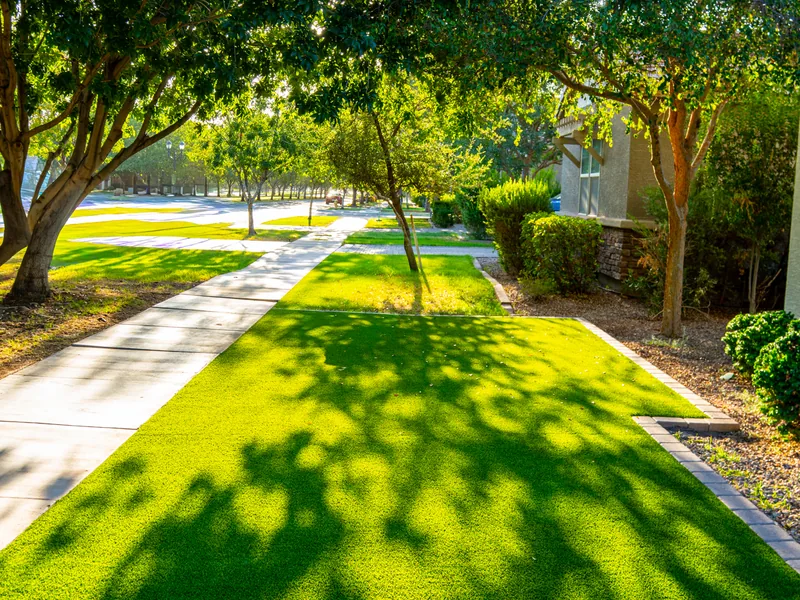
A bluegrass lawn in Utah takes 24 to 30 inches of water over the five-month watering season.
That figure comes from Salt Lake City's water office, quoted in a 2025 Utah State University fact sheet. Summer rain here is light, so most of it comes from your sprinklers.
Inches are hard to picture. Gallons are easier, so here is the math.
From inches to gallons
One inch of water spread over one square foot is about 0.62 gallons. So a season of 24 to 30 inches works out to about 15 to 19 gallons for each square foot of lawn.
Now scale it to a real yard.
- A 300 square foot park strip: about 4,500 to 5,600 gallons a season.
- A 1,000 square foot front lawn: about 15,000 to 18,700 gallons.
- A 3,000 square foot back yard: about 45,000 to 56,000 gallons.
That is what the lawn needs. Many yards use more than that.
The USU fact sheet notes that automatic timers tend to overwater. They're set for the hottest weeks of summer and left there all season.
It also cites an EPA estimate that up to half of yard watering is lost to evaporation and runoff. Spray that lands on the sidewalk counts as runoff.
Across Utah, that adds up. USU says about 60% of the water Utah homes use goes outdoors.
We look at what that means for the state in what the Great Salt Lake means for your yard.
Here is a peak week in the same terms. At 1.5 inches a week, a 1,000 square foot lawn takes about 930 gallons. That is every week through the heat of July and August.
Why the season figure is a range
A lawn's need changes with heat, wind and sun. Weber Basin's guide puts mid-summer at about 1.5 inches a week, with less in spring and fall.
A shady lawn under old trees needs less. A south-facing lawn that bakes off a driveway needs more. Your yard sits somewhere in that 24 to 30 inch band.
How to measure your own lawn
You don't need to trust our math. Two checks will tell you what your yard uses.
- The can test. Weber Basin's watering guide suggests setting a can in the lawn and running one zone.
- Spray heads take about 10 to 20 minutes to put down half an inch. Rotors take 30 to 60 minutes. Weber Basin says most lawns need about 1.5 inches a week in mid-summer, over three days.
- The bill test. Pull a summer water bill and a winter one. In winter the sprinklers are off, so the gap between the two is mostly the yard.
- If you're on secondary water with no meter yet, the bill won't show the yard. State law requires those meters by 2030.
Then walk the yard while the sprinklers run. Weber Basin warns that a hidden leak can lose 10 to 20 gallons an hour or more.
Heads spaced too far apart cause overwatering too. You end up running longer to green up the dry spots, and the rest of the lawn gets soaked.
Park strips are the worst case. Sprinklers in a narrow strip throw part of their water onto the sidewalk and the street, where it runs off. Our park strip guide covers your options there.
What a lawn costs besides water
Water is the cost you can measure. The rest is easy to forget, because it comes as time and small bills.
- Mowing, every week from spring into fall, either paid or done on your Saturdays.
- The spring re-seed, with seed, fertilizer and the weeks the yard is patchy.
- Sprinkler upkeep, from blowing out the lines each fall to fixing heads the mower found.
- The August problem. The month you water most is often the month the lawn looks worst.
What changes when part of the lawn is turf
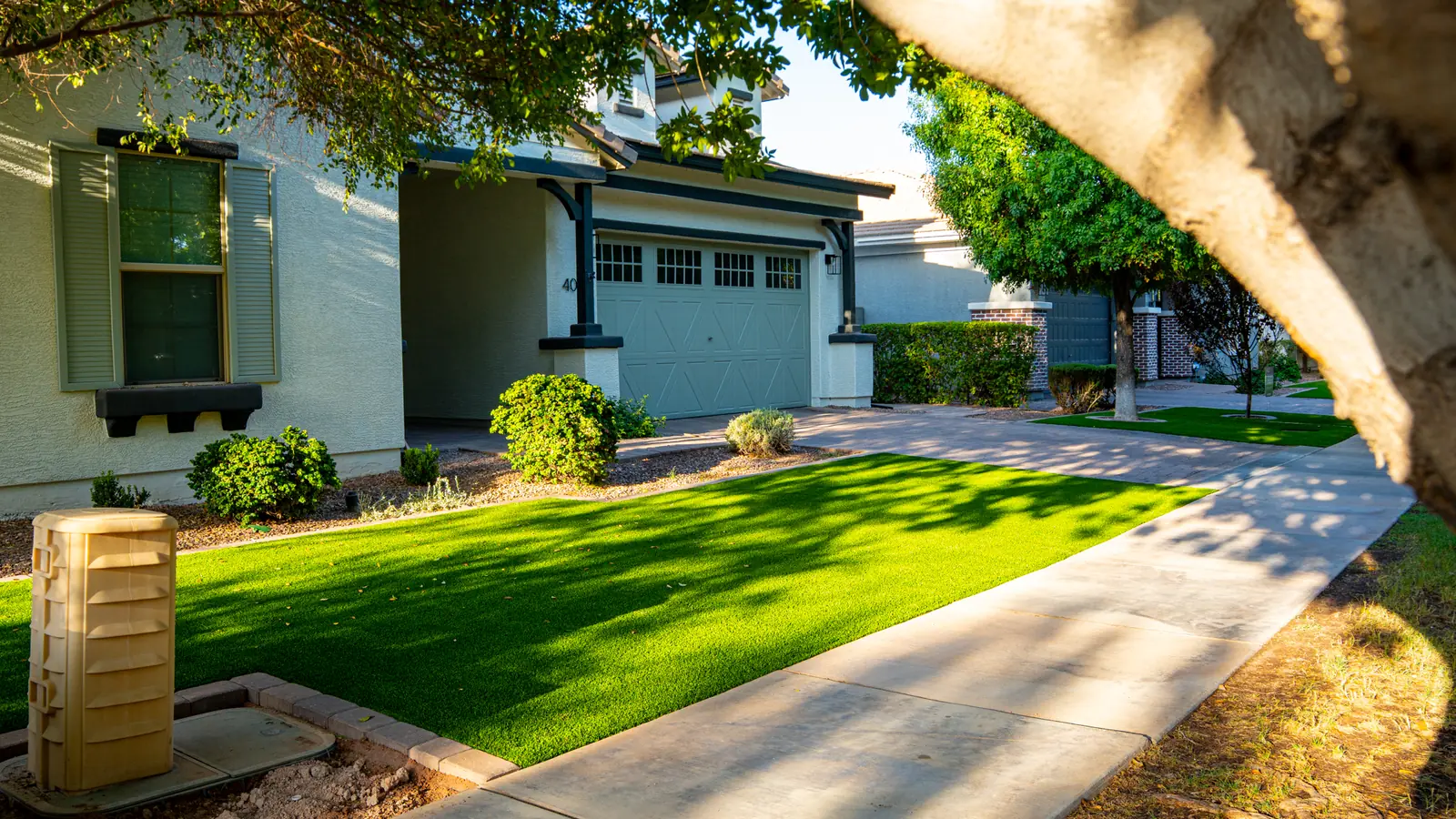
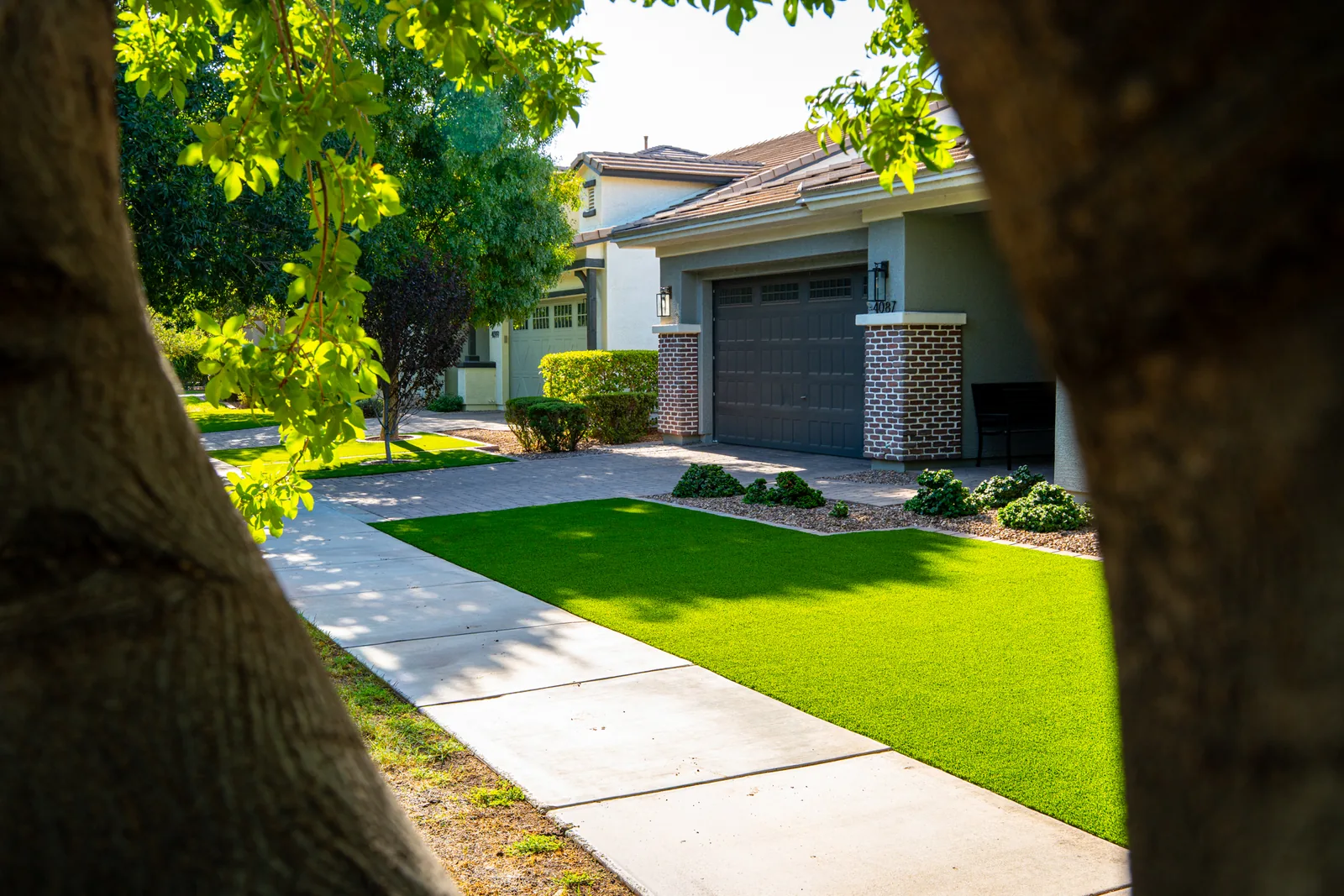
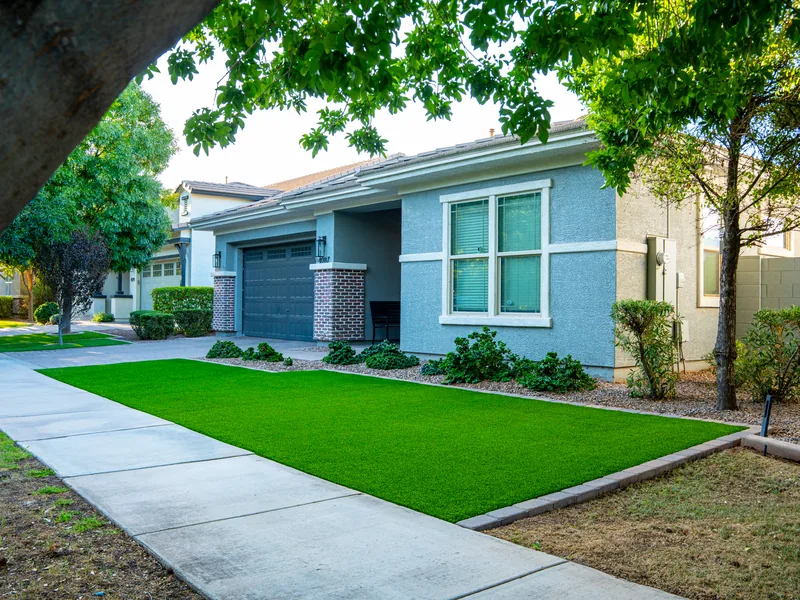
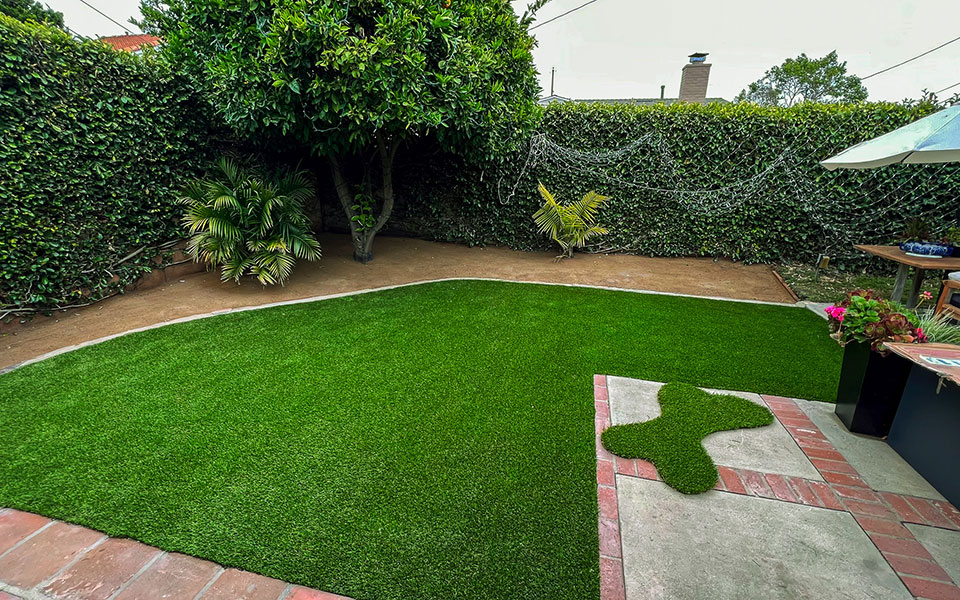
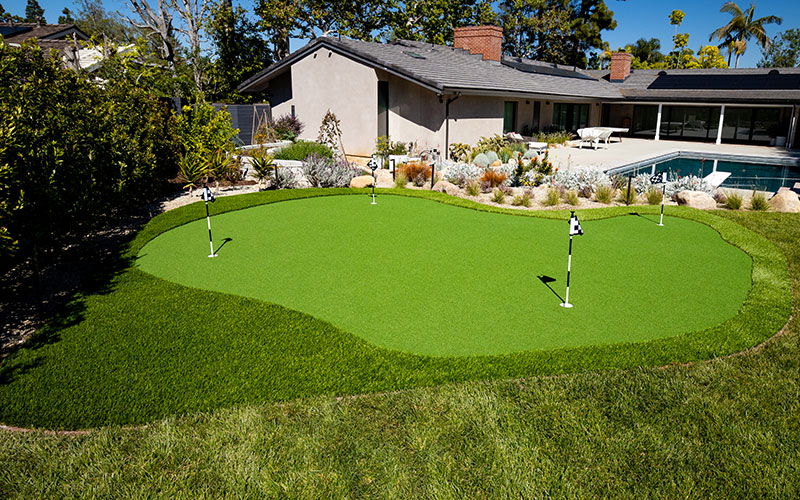
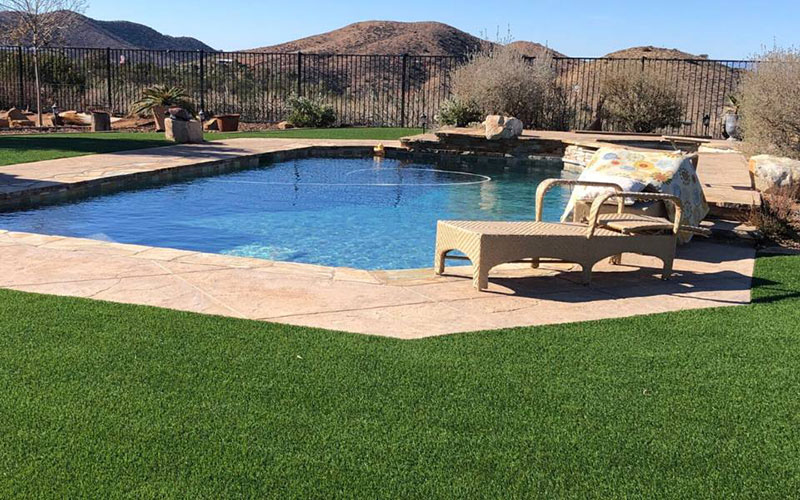
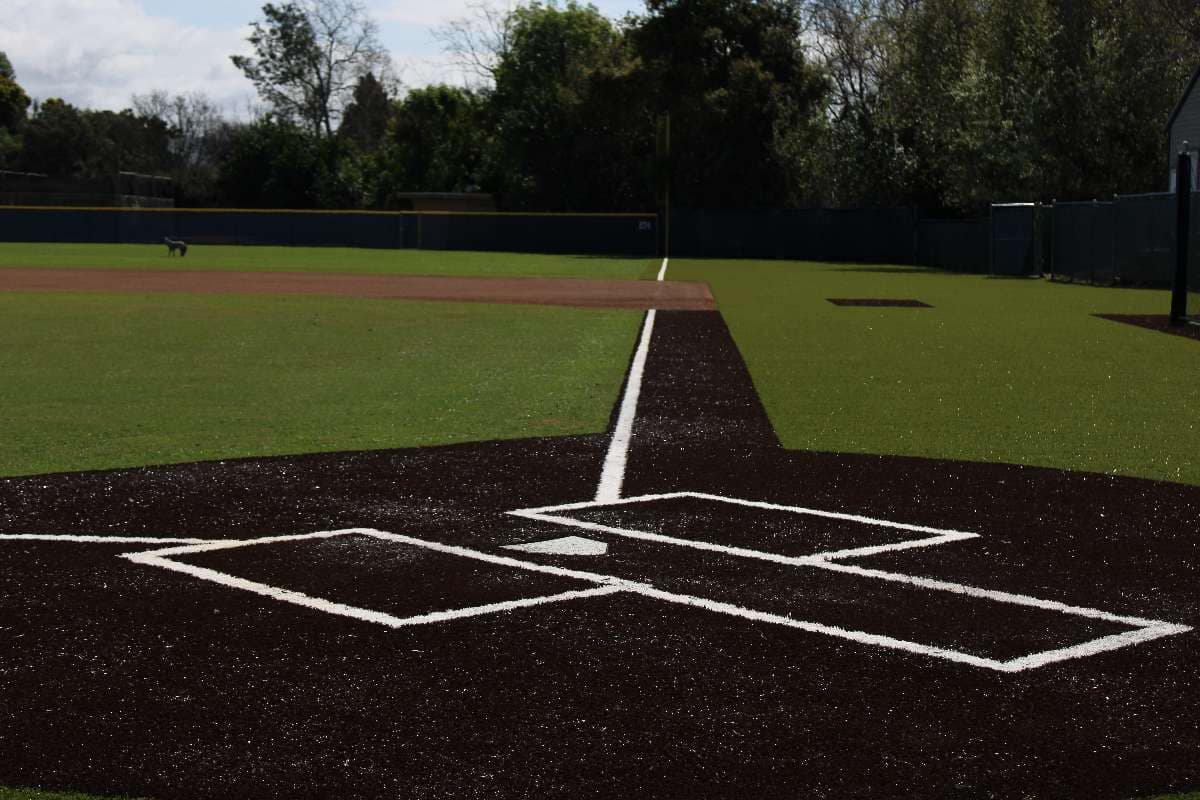
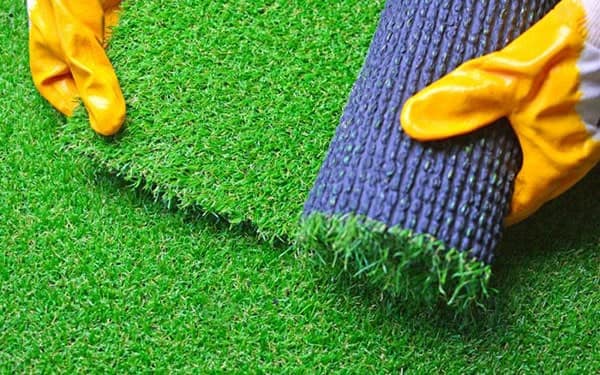
A turf area needs no sprinklers. The gallons for that part of the yard drop to almost nothing, every season, for the life of the turf.
You may rinse it now and then, more often in a dog run. That is a hose, not a sprinkler zone.
Turf also drops the other costs on that part of the yard. No mowing, no re-seeding, and no sprinkler heads to fix there.
The trees and beds you keep still need their water. Turf only changes the part of the yard it covers, so measure that part when you compare.
What turf doesn't do is earn a rebate. Utah's programs pay to swap lawn for living plants on drip, and they all leave turf out. Our rebate guide has each program's wording.
So the real comparison is your own. Weigh the water and upkeep you stop paying each year against the cost of the install.
We won't guess that for you. Our residential turf page shows what goes into an install.
Bring a summer bill to your free quote. We'll run the numbers on your lawn, not an average.